
Complete Guide: What is a Dupatta? (Detail Explanation)

Certain garments are remembered long after an outfit is forgotten. A dupatta is often one of them. It is held lightly, adjusted thoughtfully, and carried with intention. Have you ever paused to wonder about the dupatta's meaning, or reflected on what the dupatta is used for beyond tradition?
The word dupatta comes from the Hindi‑Urdu combination of du (“two”) and paṭṭā (“strip of cloth”), meaning a shawl made of doubled cloth. It is believed to have evolved from the ancient uttariya, a veil‑like garment worn over the shoulder or head in early Indian dress traditions. It has carried layers of meaning, from modesty and respect to a versatile fashion piece across cultures and regions.
In simple terms, the dupatta is a long, rectangular scarf worn as part of traditional South Asian attire. The dupatta’s meaning in English can be understood as a “long scarf” or “stole,” yet its presence carries more cultural depth than a direct translation suggests.
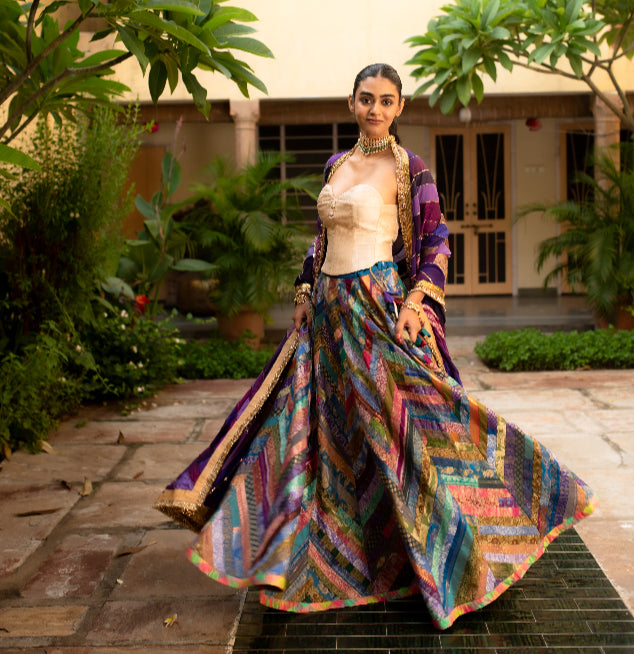
A dupatta in Indian dress is traditionally paired with a salwar suit, a lehenga, or even a saree. A dupatta for a salwar suit completes the three-piece ensemble, while a dupatta for a lehenga adds grace to bridal and festive looks. Over time, the garment has been shaped by regional influences, personal styling, and evolving expression.
The meaning of the dupatta has grown beyond modesty or ritual. It is now seen as a form of self-expression, texture, and movement that completes an outfit with softness and strength.
History of Dupatta & Why It’s Still Relevant Today

The dupatta carries centuries of cultural memory, yet its relevance has never faded. It continues to evolve while honoring its roots.
Dupatta’s history in Indian dress was associated with dignity and grace. It was draped over the head in many regions as a sign of respect. Traditional dupatta styles varied across states, with fabrics and embroideries reflecting local artistry. In North India, vibrant bandhani was preferred. In Punjab, phulkari embroidery was celebrated. In Rajasthan and Gujarat, mirror work and leheriya patterns were embraced.
The dupatta’s meaning in Hindi is deeply rooted in tradition, yet the garment has adapted to modern wardrobes. Today, it is not worn solely for modesty. It is styled for movement, contrast, and personality. The types of dupattas available now reflect experimentation with color, transparency, layering, and craftsmanship.
Relevance has been sustained because the dupatta has remained versatile. A dupatta for a wedding continues to hold ceremonial importance. At the same time, it is styled with contemporary silhouettes, dresses, and fusion wear. The fabric, length, and draping styles have been reimagined, allowing the garment to remain current without losing identity.
In recent years, sustainability has also influenced design. The “Jod” concept, in which fabrics are thoughtfully joined, has been explored in certain collections. In brands like Priyanka Raajiv, upcycled textiles are sometimes brought together in a refined way, creating garments that feel layered with memory.
Similar ideas can be reflected in dupattas crafted from joined vintage textiles or surplus fabrics. Such pieces honor heritage while reducing waste, allowing tradition to be carried forward responsibly.
Different Types of Dupattas (Most Popular Styles)

Across regions and occasions, many types of dupattas have been embraced. Each carries its own texture and story.
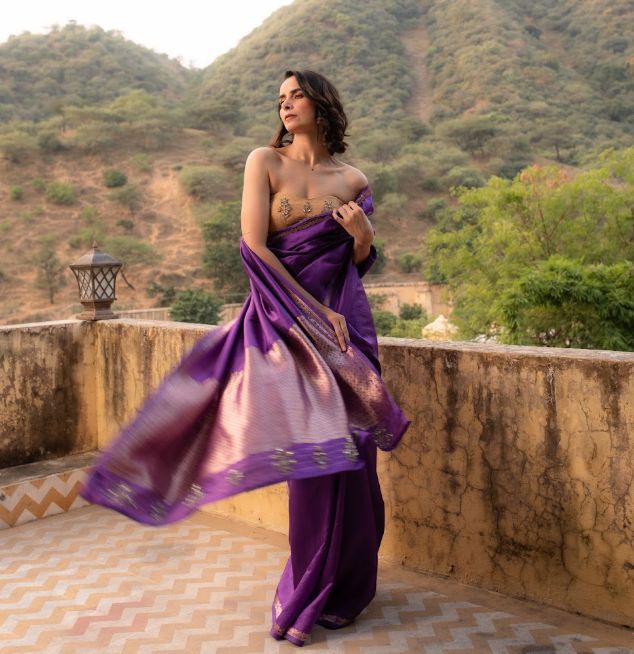
A Banarasi dupatta is woven with intricate zari patterns and is often selected as a dupatta for a lehenga or festive attire. A chiffon dupatta is light and fluid, ideal for subtle dupatta draping styles. A net dupatta offers transparency and is often detailed with embroidery, making it a preferred dupatta for wedding ceremonies.
Bandhani dupattas are recognized for their tie-dye patterns, while phulkari dupattas are admired for vibrant threadwork. Organza dupattas are loved for their airy structure and refined fall.
These types of dupattas can shift the mood of an outfit entirely. A heavily embroidered piece adds grandeur, while a minimal cotton dupatta feels relaxed and intimate. Traditional dupatta styles are still treasured, yet contemporary interpretations are widely appreciated.
Best Dupatta Fabrics (Choosing the Right One)

Fabric influences how a dupatta falls, feels, and frames the outfit. The best fabric for a dupatta is often chosen based on comfort, climate, and occasion.
Silk dupattas are valued for richness and durability. They are often chosen as a dupatta for weddings or formal gatherings. Chiffon and georgette are lightweight options, preferred for everyday wear or warmer climates. Cotton dupattas are breathable and practical, making them suitable for daily use.
Organza offers structure with a translucent effect. Velvet is sometimes selected for winter weddings, adding depth and warmth. When considering the best fabric for a dupatta, movement and drape are often prioritized.
If sustainability is valued, upcycled or handwoven fabrics may be explored. crafted from surplus textiles or joined panels can reflect mindful choices. In certain designer collections, including those by Priyanka Raajiv, fabrics are thoughtfully repurposed, reflecting care for craft and environment. This philosophy can extend to dupattas that feel both meaningful and modern.
If sustainability is cherished, attention can be given to upcycled or handwoven fabrics that carry stories beyond their immediate design. In this spirit, dupattas crafted from surplus textiles, heirloom remnants, or carefully graded fabric panels offer an opportunity to honor both craftsmanship and the environment. The Jod™ concept, as mentioned earlier, builds on this idea, transforming unused or leftover pieces into harmonious, one-of-a-kind creations.
In collections following this philosophy, dupattas are more than mere accessories; they become reflections of mindful creation, blending heritage, artistry, and modern aesthetics. A Jod™-inspired Dupatta style feels intentional, carrying emotional value, subtle complexity, and a sense of sustainability, allowing the wearer to express both elegance and conscientious style.
How to Wear a Dupatta? (Step-by-Step Styling Guide)

The way a dupatta is carried can influence the entire silhouette. Learning how to wear a dupatta can feel intuitive with gentle practice.
First, the dupatta is usually placed across the shoulders, allowing equal length on both sides. This classic drape works beautifully as a dupatta for a salwar suit.
Second, one end can be pleated neatly and pinned to the shoulder, while the other end is allowed to fall freely. This approach supports ease and movement.
Third, for a dupatta for a lehenga, pleats may be arranged over one shoulder, and the remaining fabric can be draped across the torso. This creates a structure suitable for festive occasions.
Fourth, a dupatta can be styled over the head for ceremonial settings. Such dupatta draping styles are often chosen for traditional rituals.
When exploring how to wear a dupatta, balance is often considered. The fabric weight, embroidery, and neckline of the outfit influence the final look. Various dupatta styling ideas can be tried, and personal comfort is gently prioritized.
Dupatta for Weddings: What Looks Best?

Weddings call for detail, richness, and thoughtful layering. A wedding dupatta often becomes the highlight of the ensemble.
For brides, a heavily embroidered dupatta for a wedding lehenga is frequently selected. Zari work, sequins, and intricate borders are commonly seen. In some cases, two dupattas are styled together, with one placed over the head and the other draped across the shoulder.
For guests, lighter fabrics with subtle embellishment are often chosen. A silk or organza dupatta adds elegance without overwhelming the outfit.
Color coordination is thoughtfully considered. Contrasting dupattas create visual interest, while tonal combinations offer harmony. Dupatta draping styles for weddings are typically more structured, ensuring the garment remains in place throughout ceremonies.
Tips to Care & Maintain Your Dupatta

A dupatta is often preserved as a keepsake. Proper care allows its beauty to remain intact.
Delicate fabrics like silk and organza are usually dry-cleaned. Cotton dupattas may be hand-washed gently in cold water. Heavy embroidery is handled with care to prevent thread damage.
Storage is important. Dupattas are best folded softly and placed in breathable fabric covers. For embellished pieces, acid-free tissue paper may be used between folds.
When sustainability is embraced, longevity becomes meaningful. An heirloom dupatta can be restyled or paired differently across seasons. In some cases, older dupattas are reimagined into new garments, aligning with the idea of upcycling and mindful fashion.
Conclusion
The dupatta's meaning extends beyond translation. While the dupatta’s meaning in English describes it as a scarf, its presence in tradition and fashion remains layered with memory and identity. The dupatta’s meaning in Hindi carries cultural resonance that continues to evolve with time.
From traditional dupatta styles to modern interpretations, from a dupatta for a kurta set or salwar suit to a wedding dupatta, its versatility remains unmatched. As conversations around sustainability grow, thoughtfully crafted pieces, including those influenced by the Jod philosophy seen in select designer collections, reflect how heritage and responsibility can coexist.
It is a statement carried with grace, informed by history, and designed with purpose. Understanding the uses of a dupatta reveals that it is more than just an accessory.
FAQs
Q1. Can I wear a dupatta without a suit?
Ans: Yes, a dupatta can be styled independently. It may be paired with dresses, sarees, or fusion outfits. Many dupatta styling ideas explore contemporary silhouettes beyond a traditional suit.
Q2. Which dupatta fabric is best?
Ans: The best fabric for a dupatta depends on the occasion and climate. Silk is often chosen for weddings, while cotton and chiffon are preferred for daily wear.
Q3. How long is a dupatta usually?
Ans: A standard dupatta is typically between 2.25 and 2.5 meters long. Length may vary slightly depending on the design and intended dupatta draping style.
Q4. What’s the difference between a chunni and a dupatta?
Ans: The chunni vs dupatta difference is subtle. “Chunni” is a regional term commonly used in North India, while “dupatta” is more widely recognized. Both refer to a similar garment, though usage may differ culturally.
Q5. How to carry a dupatta stylishly?
Ans: When carrying a dupatta stylishly, balance and proportion are key. Pleating neatly, choosing complementary colors, and selecting suitable fabrics enhance overall presentation.