
Different Types of Indian Dresses: Guide to India’s Traditional & Modern Outfits

Indian traditional dresses have long reflected a rich blend of artistry, culture, and grace. Every silhouette tells a story, woven through colours, textures, and the subtle charm of craftsmanship. Over the years, the timeless beauty of Indian ethnic wear styles has transcended borders, finding love in wardrobes across continents. From ornate wedding ensembles to breezy festive outfits, Indian clothing names list a world of diversity and detail that continues to inspire women everywhere.
For many, the elegance of Indian bridal-wear fashion or the delicate drape of a saree evokes more than admiration; it evokes a sense of belonging. As designer Indian dresses online become increasingly popular, there’s a sense of pride and identity carried through every thread. Whether it’s a simple kurta or a grand lehenga, each garment holds the essence of heritage and the spirit of modern expression.
What Makes Indian Dresses Unique?
Indian traditional dresses stand apart because of their ability to evolve without losing their soul. The detailing in embroidery, handloom weaving, and fabric dyeing keeps the legacy alive while embracing new aesthetics. The play of textures, silk, cotton, chiffon, organza, or brocade, shows how tradition and comfort can exist in harmony.
Indian ethnic-wear styles often carry emotional meaning. They are worn to celebrate love, honor rituals, or express individuality. From temple borders on sarees to the mirror work of Gujarat, every craft reflects the land it comes from. Yet, these designs adapt effortlessly to modern tastes, making Indian dresses for weddings in the USA or reception parties feel just as relevant and captivating.
Popular Traditional Indian Dresses
Indian fashion’s roots lie in its traditional attire, each with a story and a silhouette that flatters in its own way. Every garment carries memories of artisans, regions, and rituals, forming a bridge between heritage and modern expression. The colors, textures, and weaves reflect emotions as much as craftsmanship, allowing every piece to feel personal and cherished.
Sarees: The Eternal Drape of Grace

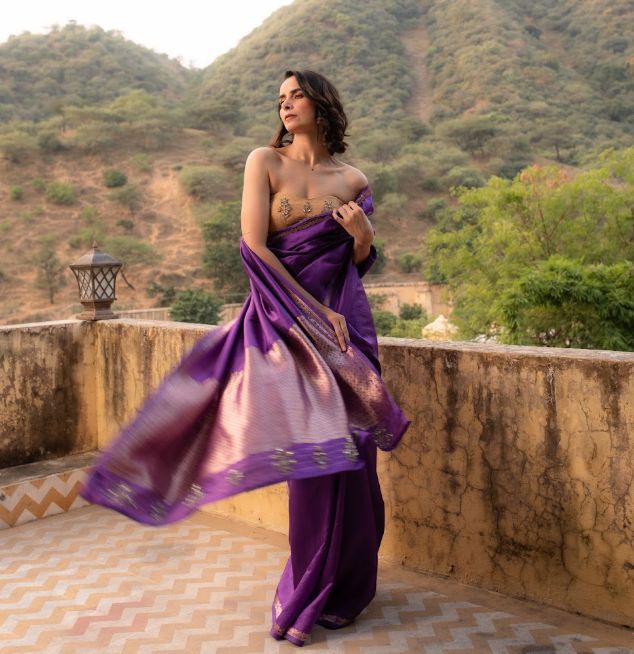
Among the many types of sarees in India, each region brings its own artistry. The Banarasi silk from Varanasi is known for its regal zari work, while the Kanjeevaram from Tamil Nadu radiates festive warmth through its rich silk texture. Cotton sarees from Bengal or Chanderi weaves from Madhya Pradesh exude understated sophistication.
Sarees celebrate versatility; they can be styled in countless ways, from traditional pleats to modern pre-stitched variations. Today, designer Indian dresses online showcase contemporary versions of sarees in lightweight fabrics, perfect for festive gatherings or weddings abroad.
Lehengas: Whirl of Tradition and Celebration

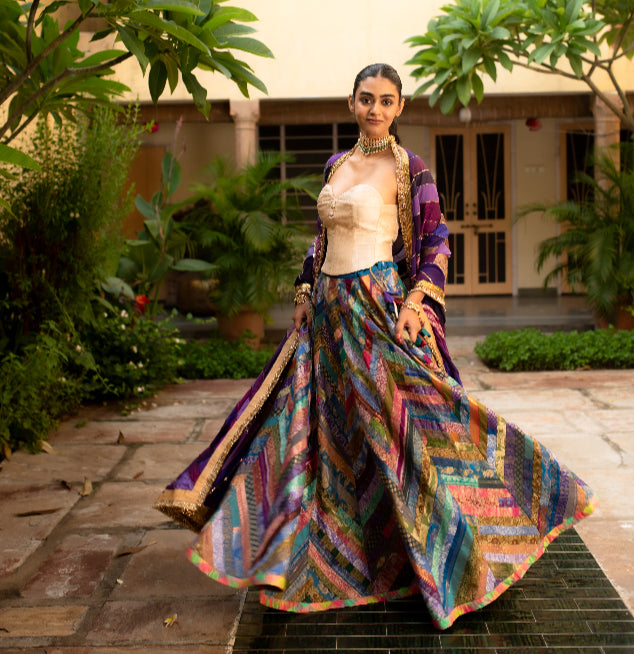
Lehengas have become the heartbeat of Indian bridal-wear fashion. A blend of craft and creativity, they represent celebration in its purest form. The modern lehenga carries a mix of tradition and individuality, ranging from intricate hand embroidery to minimalist silhouettes.
The Indian Lehenga online in the USA scene is thriving, with global brides embracing pastel tones, floral motifs, and fusion designs. Styled with statement jewellery or a soft dupatta, a lehenga turns every moment into an occasion. It’s an ensemble that feels both royal and relatable, deeply traditional yet open to reinvention.
Kurtas: Everyday Elegance, Timeless Appeal

Kurtas reflect simplicity wrapped in poise. They are perhaps the most adaptable piece of Indian ethnic-wear styles, worn for work, travel, or festive evenings. From cotton block prints to silk tunics with mirror detailing, kurtas continue to evolve with every generation.
Jod Kurtas bring a thoughtful layer to this evolution, crafted through a process where heritage textiles, graded remnants, and traditional techniques are brought together with meticulous artistry. Through patchwork, embroidery, and careful fabric selection rooted in Indian weaves, each Jod kurta is shaped as a sustainable expression of individuality.
Pairing a kurta with palazzos, churidars, or jeans creates endless looks, blending Indian tradition with modern comfort. Designer Indian dresses online often feature contemporary cuts, encouraging easy styling without losing authenticity.
Stoles: Subtle Layers of Style

Stoles have become an integral part of the Indian clothing names list. They bring a gentle flair to any outfit, be it draped over a saree, a kurta, or a simple dress. When paired with Jod kurtas, the effect grows even more meaningful. The handcrafted nature of Jod kurtas, created through the joining of heritage fabrics, graded remnants, and intricate surface design, forms a beautiful canvas for a stole to rest upon.
Crafted in fabrics like pashmina, rich and pure silks, or chiffon, stoles often feature fine embroidery or woven patterns that mirror regional artistry. When the textured artistry of a Jod kurta meets the soft drape of a stole, a subtle story of sustainability, craft, and individuality is expressed. A well-chosen stole can transform even a minimal look into something deeply elegant.
Dupattas: The Language of Femininity

In Indian traditional dresses, a dupatta is much more than a fabric; it’s a sentiment. It adds structure to the outfit and completes the ensemble’s story. From the phulkari of Punjab to the bandhani of Rajasthan, dupattas carry local crafts with unmatched pride.
When draped over Jod kurtas, this sentiment is heightened, as the handcrafted nature of the kurta meets the expressive artistry of the dupatta. Jod Kurtas, formed through the joining of heirloom textiles, graded remnants, and intricate surface work, create a textured foundation where a dupatta settles beautifully, allowing heritage to be seen in layers.
Modern interpretations pair dupattas with crop tops and trousers, keeping comfort at the forefront while celebrating heritage. A sheer dupatta with delicate sequins or lace work often brings an ethereal charm to Indian festive outfits.
Jackets: A Touch of Contemporary Flair

Ethnic jackets have become a bridge between Indian and global fashion sensibilities. Worn over sarees, kurtas, or even dresses, they add character and personality. Long brocade jackets bring a regal look, while short embroidered ones add playful balance.
When layered over Jod kurtas, the pairing gains an added depth. Jod Kurtas, created through the thoughtful joining of heritage textiles, graded remnants, and detailed surface techniques, provide a textured base that responds beautifully to the structure of a jacket.
Modern Indian outfits for the reception party often include these jackets as statement pieces. They reflect individuality while maintaining a connection with traditional craftsmanship.
Regional Indian Dresses & Their Cultural Significance
India’s cultural map is drawn through its attire. Each region brings its own weaving techniques, motifs, and sensibilities. The Assamese mekhela chador, the Kashmiri pheran, and the Rajasthani ghaghra all carry distinct regional pride.
In the South, traditional silk sarees remain treasured heirlooms, while in the East, handloom fabrics narrate tales of sustainability. Every piece represents identity, where clothing is an expression of roots, values, and community. These regional styles continue to influence designer Indian dresses online, ensuring authenticity is never lost in the pursuit of modernity.
Modern Indian Dresses Trending Today

Indian fashion has gracefully adapted to changing times. Designers are creating silhouettes that merge comfort with culture, where flowing kaftans, co-ord sets, and fusion saree gowns coexist with age-old classics.
Indian designer-wear outfits today celebrate diversity in body types, personal styles, and lifestyles. Sustainable fabrics and minimal embroidery are becoming more common, creating Indian ethnic-wear styles that feel fresh yet familiar.
From elegant pastel sarees to boho-style kurtas, the choices for Indian outfits for the reception party or casual gatherings abroad are expanding beautifully. These looks speak of confidence, freedom, and effortless charm.
How to Choose the Right Indian Dress for Different Occasions

Every occasion calls for a mood, and Indian traditional dresses capture that mood perfectly.
For wedding sarees, rich fabrics like silk or velvet in deep hues often work beautifully. Lehengas or sarees with delicate embroidery bring an aura of celebration. For festive events, lighter fabrics like chiffon or organza are preferred, allowing ease of movement with elegance.
When looking for Indian dresses for weddings in the USA, consider versatile outfits that balance tradition with modern practicality. For formal gatherings, a pastel saree with a statement blouse or an embroidered kurta with palazzos can feel just right. The key lies in finding harmony between comfort, culture, and individuality.
Styling Tips to Elevate Your Indian Outfits

Styling Indian ethnic-wear styles can be joyful and expressive. Every detail carries the power to shape the mood of the outfit, allowing it to feel personal and gracefully curated. Small choices often make the biggest difference, and a gentle balance of color, texture, and accessories can bring out the beauty of any attire.
-
Mixing textures, pairing silk with cotton or organza with velvet, adds depth.
-
Choosing jewelry that complements rather than competes with the outfit keeps the look refined.
-
Draping techniques can be experimented with to express personality, loose, structured, or asymmetrical.
-
Adding a belt or jacket can give a modern edge to traditional silhouettes.
-
Soft hairstyles, subtle makeup, and minimal accessories create a timeless finish.
Final Thoughts
Indian traditional dresses represent far more than style, they are expressions of heritage, art, and confidence. Each ensemble tells a story of craftsmanship and culture, yet continues to evolve with time. From sarees and lehengas to kurtas and jackets, every piece captures both grace and strength in the same breath.
As Indian designer-wear outfits reach new audiences globally, the world is embracing their elegance and meaning. The growing popularity of Indian ethnic-wear for women online and the expanding reach of Indian bridal-wear fashion have reaffirmed that beauty truly knows no boundaries.
Fashion changes, but emotion endures. And within every Indian dress lies the quiet power to make anyone feel seen, celebrated, and beautifully themselves.
FAQs
Q1. What are the most common types of Indian dresses?
Ans. The most common Indian traditional dresses include sarees, lehengas, kurtas, salwar suits, and dupattas. Each has regional variations that make it unique in design and style.
Q2. Which Indian traditional dress is famous worldwide?
Ans. The saree remains the most globally recognised Indian attire, admired for its elegance, versatility, and cultural depth.
Q3. What is the difference between a saree and a lehenga?
Ans. A saree is a single piece of fabric draped around the body, while a lehenga is a skirt paired with a blouse and dupatta. Both carry distinct aesthetics suited to different occasions.
Q4. Which Indian dress is best for weddings?
Ans. Lehengas and heavily embroidered sarees are often chosen for weddings. They exude traditional richness while allowing customisation in colours and designs.
Q5. What is the most comfortable traditional Indian outfit?
Ans. Cotton kurtas with palazzos or lightweight sarees are among the most comfortable choices for everyday wear or casual festive occasions.
Q6. Are Indian dresses gaining popularity internationally?
Ans. Yes. Designer Indian dresses online are loved worldwide, especially for styling in weddings and cultural events in the USA, UK, and beyond.
Q7. How should I style Indian outfits for a modern look?
Ans. Mixing traditional pieces with contemporary accessories is encouraged for a modern look. A saree can be paired with a crop top, or a kurta can be worn with jeans and a statement stole. Through subtle fusion, a modern charm is created while the essence of the outfit is kept intact.